


Changes in Mobility and Tourism
- MENGYAO WANG

- Mar 28, 2022
- 1 min read
Updated: Apr 27, 2022
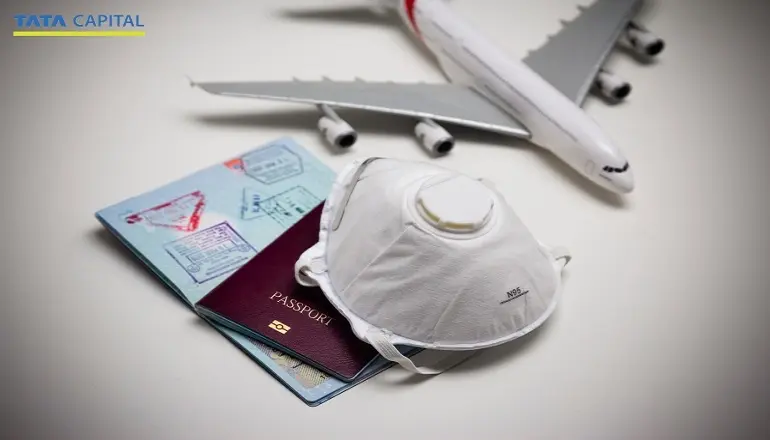
The outburst of COVID-19 essentially has changed the tourism industry, strictly reduced traveler mobility causes the shutdown of some hotels and restaurants, limited seat availability of transportation, and tourist capacity on sightseeing. Even though this incident brings challenges to economics in the industry, the demand for the travel and tourism practices becomes skyrocketing because limited access to outdoor resources would surprisingly usher in broader prospects and opportunities toward travel products.
The normal social life of human connection is getting back since the removal of state’s mask mandate for most indoor public places. However, there are some places confronted severe challenges of recurred pandemic included “lockdown” policies included border closures and travel bans, public activity restrictions, and school and business closures.
Lockdown in Shanghai
After weeks of partial closures, Shanghai now faces full lockdown—in two parts. Each side of the city, which is divided by the Huangpu River, will undergo five days of near-total lockdown; the eastern district of Pudong started Monday, while Puxi’s lockdown begins Friday. Many of its residents have already seen days or weeks of lockdown after cases were detected in their residential compounds, where most urban Chinese live.
The decision to enter full lockdown, announced Sunday evening, sparked widespread panic-buying in the city, as well as confusion and anger online. Residents also expressed fear about being forced into centralized quarantine, where facilities are overloaded. Many Chinese households have kept food stocks since the winter, when government warnings and fears about the omicron variant prompted shopping sprees. Shanghai’s health care system is stretched thin, with many clinics closed; the death of a nurse from treatable asthma made headlines.


Comments